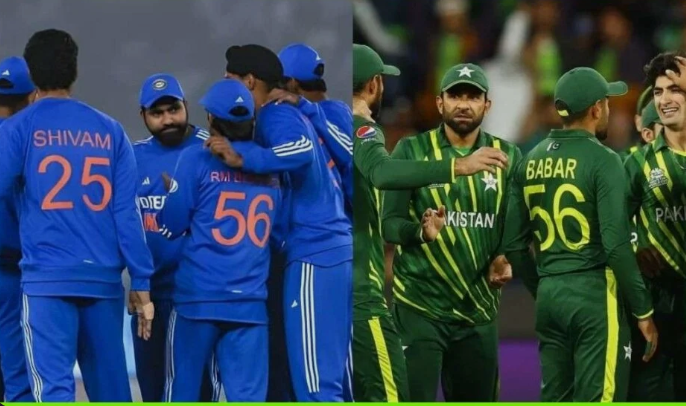
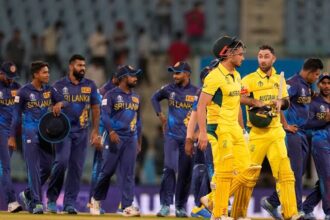
The Pakistan National Cricket Team vs India National Cricket Team standings represent one of the greatest rivalries in sports history. This contest is far more than runs, wickets, and scorecards because every match carries emotion, pressure, and national pride. From historic Test battles in the 1950s to thrilling T20 World Cup clashes, both teams have created unforgettable cricket memories. Legendary players like Sachin Tendulkar, Imran Khan, Virat Kohli, Wasim Akram, Shahid Afridi, and Babar Azam have all shaped this rivalry with iconic performances. Every encounter attracts millions of viewers worldwide, making India vs Pakistan cricket a global spectacle filled with drama, tension, tactical brilliance, and unforgettable moments.
All-Time Head-to-Head Standings
Format
Total Matches
India Wins
Pakistan Wins
No Result / No Winner
Test
59
9
12
38
ODI
136
58
73
5
T20I
17
14
3
0
Total
212
81
88
43
Recent Match Results
Date
Tournament / Series
Format
Venue
Winner and Margin
Feb 15, 2026
ICC Men T20 World Cup
T20I
Colombo, Sri Lanka
India won by 61 runs
Sep 28, 2025
Asia Cup Final
T20I
Dubai, UAE
India won by 5 wickets
Sep 21, 2025
Asia Cup Super Four
T20I
Dubai, UAE
India won by 6 wickets
Sep 14, 2025
Asia Cup Group Stage
T20I
Dubai, UAE
India won by 7 wickets
Feb 23, 2025
ICC Champions Trophy
ODI
Dubai, UAE
India won by 6 wickets
June 9, 2024
ICC Men T20 World Cup
T20I
New York, USA
India won by 6 runs
Top Individual Performances
Performance Metric
Match Format
India National Cricket Team
Pakistan National Cricket Team
Highest Individual Score
Test
309 – Virender Sehwag (Multan, 2004)
280 not out – Javed Miandad (Hyderabad, 1983)
ODI
183 – Virat Kohli (Dhaka, 2012)
194 – Saeed Anwar (Chennai, 1997)
T20I
82 not out – Virat Kohli (Melbourne, 2022)
79 not out – Mohammad Rizwan (Dubai, 2021)
Best Bowling Figures
Test
10 for 74 – Anil Kumble (Delhi, 1999)
7 for 52 – Imran Khan (Karachi, 1982)
ODI
5 for 16 – Sourav Ganguly (Toronto, 1997)
7 for 37 – Aaqib Javed (Sharjah, 1991)
T20I
4 for 30 – Kuldeep Yadav (Dubai, 2025)
4 for 18 – Mohammad Asif (Durban, 2007)
Most Career Runs
Test
2228 – Sunil Gavaskar
3449 – Javed Miandad
ODI
2526 – Sachin Tendulkar
2403 – Inzamam-ul-Haq
T20I
492 – Virat Kohli
228 – Mohammad Rizwan
Most Career Wickets
Test
99 – Kapil Dev
29 – Imran Khan and Fazal Mahmood
ODI
54 – Anil Kumble
60 – Wasim Akram
T20I
15 – Hardik Pandya
11 – Umar Gul
Biggest Wins and Closest Matches
Metric / Scenario
Match Format
Winner
Match Margin
Venue and Date
Biggest Win (By Runs)
ODI
India
228 runs
Colombo, Sep 2023
Test
Pakistan
341 runs
Karachi, Jan 2006
T20I
India
61 runs
Colombo, Feb 2026
Biggest Win (By Wickets)
T20I / ODI
Pakistan
10 wickets
Dubai, Oct 2021 (T20I)
ODI
India
9 wickets
Match multiple times (e.g., 2018)
Closest Win (By Runs)
T20I
India
5 runs
Johannesburg, Sep 2007 (WC Final)
ODI
India
4 runs
Quetta, Oct 1978
Test
Pakistan
12 runs
Chennai, Jan 1999
Closest Win (By Wickets)
ODI
Pakistan
1 wicket
Sharjah, Apr 1986 / Dhaka, Mar 2014
T20I
India
4 wickets
Melbourne, Oct 2022
Extreme Tie / Deadlock
T20I
India
Bowl-out (3-0)
Durban, Sep 2007 (Scores tied 141)
The Borderline Beginning That Changed Cricket Forever
India and Pakistan began their cricket rivalry in 1952, and from the very first series, emotions were intense. Every match carried political tension, crowd pressure, and national pride. Pakistan shocked India with disciplined bowling and fearless batting, while India relied heavily on technical Test cricket. Fans on both sides followed every scorecard like a national event. The rivalry quickly became more than sport because every victory created emotional celebrations across borders. Early Test matches were usually slow and tactical, but the pressure was always visible. Legendary names like Lala Amarnath and Abdul Kardar helped shape the rivalry’s foundation. These early encounters built the emotional connection that still defines Pakistan National Cricket Team vs India National Cricket Team standings today.
Season
Score
Winning Team
Performance
Key Moment
1952
Pakistan 372 vs India 397
India
Strong batting display
Historic first series
1955
Drawn Test
Draw
Defensive cricket
Tactical rivalry grows
1961
India 165 vs Pakistan 168
Pakistan
Bowling dominance
Close finish
1978
Pakistan 205 vs India 204
Pakistan
Aggressive chase
Rivalry returns
The Sharjah Era and the Rise of Cricketing Hostility
The Sharjah tournaments during the 1980s transformed India vs Pakistan into cricket’s most aggressive rivalry. Packed stadiums, loud fans, and pressure-filled finishes became common. Javed Miandad’s famous last-ball six against Chetan Sharma in 1986 became one of cricket’s most replayed moments. Pakistan gained confidence in ODI cricket while India struggled to control pressure situations. Every scorecard from Sharjah became part of cricket folklore. Players carried emotional pressure because defeat meant criticism from millions of fans. Television coverage also expanded the rivalry globally. The Sharjah years gave the rivalry drama, tension, and unforgettable endings. India learned hard lessons during this era, while Pakistan developed a reputation for fearless finishes in high-pressure games.
Season
Score
Winning Team
Performance
Key Moment
1984
Pakistan 188 vs India 125
Pakistan
Strong bowling attack
Sharjah dominance
1985
India 183 vs Pakistan 181
India
Controlled chase
Revenge victory
1986
Pakistan 245 vs India 244
Pakistan
Miandad heroics
Last-ball six
1988
India 238 vs Pakistan 242
Pakistan
Confident batting
ODI pressure battle
Sachin Tendulkar vs Pakistan Pace Attack Became Cricket’s Biggest Theater
Sachin Tendulkar facing Wasim Akram, Waqar Younis, and Shoaib Akhtar created cricket’s most exciting individual battle. Pakistan attacked with pace and reverse swing while Tendulkar responded with fearless stroke play. His innings in Chennai in 1999 remains emotional because India lost despite his brilliant effort. Fans respected the courage shown by both teams during this period. Pakistan’s bowling unit constantly tested India with aggression, while India depended heavily on Tendulkar’s consistency. Every innings carried pressure because wickets often decided entire matches. The rivalry reached technical brilliance during these years. Fast bowling, spin control, and batting under pressure made every scorecard unforgettable. This era gave cricket some of its greatest player rivalries.
Season
Score
Winning Team
Performance
Key Moment
1996
India 287 vs Pakistan 248
India
Tendulkar brilliance
World Cup clash
1998
India 314 vs Pakistan 299
India
Aggressive batting
Sachin masterclass
1999
Pakistan 286 vs India 258
Pakistan
Reverse swing dominance
Chennai heartbreak
2003
India 276 vs Pakistan 273
India
Sehwag-Tendulkar attack
World Cup thriller
World Cup Matches Turned the Rivalry Into Global Obsession
India and Pakistan matches in ICC World Cups became global cricket events watched by millions. India maintained dominance for decades in ODI World Cups, creating psychological pressure on Pakistan. The 2003 World Cup clash became iconic because of Sachin Tendulkar’s aggressive innings against Shoaib Akhtar. Pakistan entered every World Cup game desperate to break the losing streak, while India handled pressure with confidence. Crowd noise, television ratings, and emotional reactions reached another level during ICC tournaments. These matches carried huge expectations because one defeat could define an entire campaign. Tactical planning also improved dramatically. Bowling changes, field settings, and batting intent became crucial. Every World Cup scorecard between these teams became a permanent part of cricket history.
Season
Score
Winning Team
Performance
Key Moment
1992
India 216 vs Pakistan 173
India
Disciplined bowling
First World Cup win
1999
India 227 vs Pakistan 180
India
Balanced performance
Super Six victory
2003
India 276 vs Pakistan 273
India
Tendulkar dominance
Historic chase
2019
India 336 vs Pakistan 212
India
Rohit Sharma century
Massive World Cup win
MS Dhoni, Shahid Afridi and the Era of High Voltage White Ball Cricket
The rivalry became faster and more explosive during the T20 era. MS Dhoni’s calm captaincy against Shahid Afridi’s aggressive leadership created unforgettable contests. The 2007 T20 World Cup final changed modern cricket because both teams played fearless attacking cricket. India won through disciplined death bowling, while Pakistan fought until the final over. Fans experienced nonstop drama because T20 cricket reduced the margin for mistakes. Afridi’s attacking batting and Dhoni’s tactical intelligence became major talking points. Every over carried pressure, and momentum changed quickly. Young players also entered the rivalry with fearless attitudes. These years helped India vs Pakistan become the biggest attraction in global T20 cricket.
Season
Score
Winning Team
Performance
Key Moment
2007
India 157 vs Pakistan 152
India
Tight death bowling
T20 World Cup final
2012
Pakistan 128 vs India 111
Pakistan
Spin dominance
Bilateral return
2014
India 130 vs Pakistan 131
Pakistan
Calm chase
Asia Cup thriller
2016
India 119 vs Pakistan 118
India
Kohli rescue innings
T20 World Cup clash
Virat Kohli’s Chase Masterclasses and Pakistan’s Modern Revival
Virat Kohli became India’s biggest match winner in modern India vs Pakistan clashes. His chasing ability under pressure frustrated Pakistan repeatedly. However, Pakistan finally changed the narrative with their dominant win in the 2021 T20 World Cup under Babar Azam and Shaheen Shah Afridi. Shaheen’s early wickets destroyed India’s top order and gave Pakistan historic confidence. Modern matches now feature fearless batting, powerplay aggression, and smart death bowling strategies. Asia Cup encounters also increased rivalry intensity in recent years. Kohli’s innings in Melbourne during the 2022 T20 World Cup became one of cricket’s greatest chases. Pakistan responded with stronger pace attacks and improved middle-order batting. The rivalry continues evolving with every major ICC event.
Season
Score
Winning Team
Performance
Key Moment
2021
Pakistan 152 vs India 151
Pakistan
Shaheen Afridi brilliance
Historic World Cup win
2022
India 160 vs Pakistan 159
India
Kohli masterclass
Melbourne thriller
2023
India 356 vs Pakistan 128
India
Dominant batting
Rohit-Kohli partnership
2023
Pakistan 128 vs India 266
India
Bowling pressure
Asia Cup dominance
Standings, Records and Statistical Dominance Across Formats
The Pakistan National Cricket Team vs India National Cricket Team standings reflect decades of elite cricket competition. Pakistan historically dominated bilateral ODI and Test cricket during earlier eras, while India gained control in ICC tournaments and modern white-ball cricket. Several legendary players have created unforgettable records in this rivalry. Sachin Tendulkar remains among the highest run scorers, while Wasim Akram and Anil Kumble delivered iconic bowling spells. India’s unbeaten World Cup streak became a psychological advantage for years before Pakistan broke barriers in T20 cricket. Modern scorecards show higher strike rates, bigger totals, and more aggressive captaincy. Despite political interruptions, the rivalry remains cricket’s biggest attraction because every match carries history, pressure, emotion, and worldwide attention.
Format
Score Trend
Dominant Team
Performance Style
Record Highlight
Tests
Low scoring classics
Pakistan
Pace and swing bowling
Imran Khan dominance
ODIs
Competitive high totals
Pakistan early years
Aggressive batting
Miandad last-ball six
T20Is
Close finishes
India
Tactical chasing
Kohli match-winning knocks
ICC Events
India dominance
India
Pressure handling
World Cup unbeaten run
Conclusion
The Pakistan National Cricket Team vs India National Cricket Team rivalry continues to stand above every other cricket contest because of its history, emotion, and unforgettable moments. Across Tests, ODIs, T20Is, Asia Cups, and ICC tournaments, both nations have produced legendary players, dramatic finishes, and iconic scorecards that remain part of cricket folklore. Fans still remember Javed Miandad’s last-ball six, Sachin Tendulkar’s fearless batting, Dhoni’s calm leadership, and Virat Kohli’s modern masterclasses under pressure. Every generation adds a new chapter to this rivalry, keeping its intensity alive. As cricket evolves, India vs Pakistan remains the sport’s biggest attraction, delivering passion, pressure, and world-class performances every time they meet.
Rahul is a cricket enthusiast and writer who loves breaking down team journeys, player milestones, and key cricket moments into simple timelines. At National Cricket Team Timelines, he focuses on clear, accurate, and engaging cricket stories for fans who enjoy the game beyond just scores.