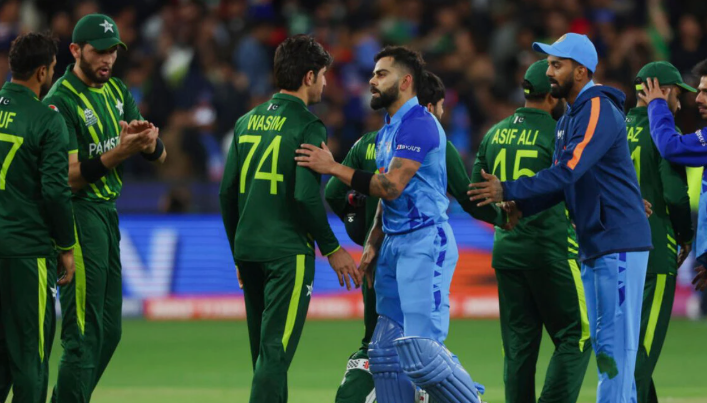
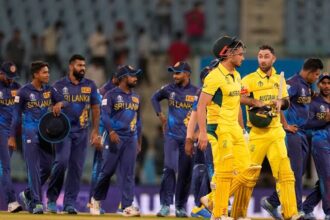
The India National Cricket Team vs Pakistan National Cricket Team timeline is one of the greatest rivalries in sports history. Every match carries emotion, pressure, and national pride that goes far beyond cricket. From historic Test battles in the 1950s to high-voltage World Cup clashes and unforgettable T20 thrillers, this rivalry has produced legendary scorecards, iconic performances, and dramatic finishes. Fans from both nations wait eagerly for every meeting because even a single boundary or wicket can change the mood of millions. Cricket legends like Sachin Tendulkar, Imran Khan, Virat Kohli, Wasim Akram, MS Dhoni, and Shahid Afridi helped transform this rivalry into a global sporting spectacle followed across generations.
Overall Head-to-Head Statistics
Cricket Format
Total Matches Played
India Wins
Pakistan Wins
Drawn / No Result
Test Matches
59
9
12
38
ODIs
136
58
73
5
T20Is
17
14
3
0
All Formats Combined
212
81
88
43
Recent Match Results
Date
Format
Tournament
Venue
Match Result
15 February 2026
T20I
2026 Men’s T20 World Cup
Colombo, Sri Lanka
India won by 61 runs
28 September 2025
T20I
2025 Asia Cup Final
Dubai, UAE
India won by 5 wickets
21 September 2025
T20I
2025 Asia Cup Super Fours
Dubai, UAE
India won by 6 wickets
14 September 2025
T20I
2025 Asia Cup Group Stage
Dubai, UAE
India won by 7 wickets
23 February 2025
ODI
2025 ICC Champions Trophy
Dubai, UAE
India won by 6 wickets
9 June 2024
T20I
2024 Men’s T20 World Cup
New York, USA
India won by 6 runs
Top Individual Performances
Performance Category
Record Holder (Team)
Match Format
Stat Record
Opponent / Venue / Year
Most Career Runs (ODIs)
Sachin Tendulkar (IND)
ODI
2,526 runs
69 matches (Avg: 40.09)
Most Career Runs (T20Is)
Virat Kohli (IND)
T20I
492 runs
11 innings (Avg: 82.00)
Highest Individual Score (Test)
Virender Sehwag (IND)
Test
309 runs
Multan, 2004
Highest Individual Score (ODI)
Saeed Anwar (PAK)
ODI
194 runs
Chennai, 1997
Highest Individual Score (T20I)
Virat Kohli (IND)
T20I
82 runs
Melbourne, 2022
Most Career Wickets (ODIs)
Wasim Akram (PAK)
ODI
60 wickets
48 matches (Econ: 3.73)
Most Career Wickets (T20Is)
Hardik Pandya (IND)
T20I
15 wickets
11 matches
Best Bowling Innings (Test)
Anil Kumble (IND)
Test
10 / 74
New Delhi, 1999
Best Bowling Innings (ODI)
Aaqib Javed (PAK)
ODI
7 / 37
Sharjah, 1991
Best Bowling Innings (T20I)
Mohammad Asif (PAK)
T20I
4 / 18
Durban, 2007
Landslide Wins & Nail-Biting Finishes
Match Category
Winning Team
Format
Margin / Record
Venue & Tournament Year
Biggest Win (Runs – Test)
Pakistan
Test
Won by 341 runs
Karachi, 2006
Biggest Win (Runs – ODI)
India
ODI
Won by 228 runs
Colombo, 2023 Asia Cup
Biggest Win (Runs – T20I)
India
T20I
Won by 61 runs
Colombo, 2026 T20 World Cup
Biggest Win (Wickets)
Pakistan
T20I
Won by 10 wickets
Dubai, 2021 T20 World Cup
Closest Win (Wickets)
Pakistan
ODI
Won by 1 wicket
Sharjah (1986) & Mirpur (2014)
Closest Win (Wickets)
Pakistan
Test
Won by 1 wicket
Chennai, 1999
Closest Win (Runs – T20I)
India
T20I
Won by 5 runs
Johannesburg, 2007 T20 World Cup Final
Closest Win (Runs – ODI)
India
ODI
Won by 5 runs
Karachi (2004) & Colombo (2004)
Only Tied T20I (Bowl-out)
India
T20I
Tied (Won 3-0 in bowl-out)
Durban, 2007 T20 World Cup
When Cricket Became More Than Just a Game
The India National Cricket Team vs Pakistan National Cricket Team timeline started with deep emotion and massive public attention. Cricket quickly became more than a sport because every victory and defeat reflected national pride. Their first official Test series in 1952 attracted huge crowds and intense media coverage across both countries. Fans treated every wicket like a historic moment while players carried enormous pressure on the field. Over the decades, legends from both sides transformed the rivalry into the biggest attraction in world cricket. Political tension, emotional fan reactions, and unforgettable scorecards added extra intensity to every contest. Whether it was a Test match, ODI, or T20 clash, India versus Pakistan always created an atmosphere unlike any other sporting rivalry in international cricket history.
Season
Venue
Score
Winning Team
Key Performance
1952 Test Series
Delhi
India 372 and 182
India
Lala Amarnath inspired India
1978 ODI Series
Sahiwal
Pakistan 205/7
Pakistan
Majid Khan played match-winning innings
1983 Test Match
Bengaluru
India 374/7
India
Kapil Dev dominated with all-round display
1992 World Cup
Sydney
India 216/7
India
Sachin Tendulkar starred under pressure
Sharjah Nights and Desert Storm Pressure
The Sharjah matches added extraordinary drama to the India National Cricket Team vs Pakistan National Cricket Team timeline. The desert stadium became famous for last-over thrillers, emotional crowd reactions, and unforgettable batting performances. During the 1980s and 1990s, India and Pakistan regularly met in Sharjah tournaments where pressure reached unbelievable levels. Pakistan often relied on aggressive fast bowling and calm finishing in tense situations. Javed Miandad’s last-ball six in 1986 became one of the most iconic moments in cricket history and haunted Indian fans for years. India responded through brilliant performances from Sachin Tendulkar, Mohammad Azharuddin, and Kapil Dev in later tournaments. Every Sharjah clash felt like a final because fans from both nations filled the stadium with nonstop passion and emotional energy.
Season
Venue
Score
Winning Team
Key Performance
1986 Austral-Asia Cup
Sharjah
Pakistan 245/9
Pakistan
Miandad scored famous 116
1988 Asia Cup
Sharjah
India 238/1
India
Vengsarkar anchored the chase
1990 Sharjah Cup
Sharjah
Pakistan 262/7
Pakistan
Saleem Malik played aggressive innings
1998 Coca-Cola Cup
Sharjah
India 316/7
India
Sachin Tendulkar scored century
The 1996 World Cup Quarterfinal That Changed Everything
The 1996 World Cup quarterfinal in Bengaluru remains one of the most emotional India versus Pakistan matches ever played. The pressure was enormous because defeat carried massive disappointment for fans across both nations. India built a strong total through Navjot Sidhu’s calm batting and Ajay Jadeja’s explosive finish against Waqar Younis in the final overs. Pakistan started confidently during the chase with Aamir Sohail attacking Indian bowlers aggressively. The game changed completely when Venkatesh Prasad bowled Sohail after their famous on-field confrontation. The stadium erupted as Pakistan lost momentum and wickets under pressure. India’s victory became a historic moment in the India National Cricket Team vs Pakistan National Cricket Team timeline and strengthened their World Cup dominance over Pakistan.
Season
Venue
Score
Winning Team
Key Performance
1996 World Cup
Bengaluru
India 287/8
India
Ajay Jadeja scored quick 45
1996 World Cup
Bengaluru
Pakistan 248/9
India
Sidhu scored important 93
1996 World Cup
Bengaluru
India won by 39 runs
India
Prasad dismissed Sohail
1996 World Cup
Bengaluru
High-pressure quarterfinal
India
Crowd atmosphere changed momentum
The 2003 World Cup Clash That Defined a Generation
The 2003 World Cup clash at Centurion became one of cricket’s greatest ODI matches. Pakistan posted a strong total after Saeed Anwar scored a brilliant century against India’s bowling attack. India’s chase began with fearless aggression from Sachin Tendulkar and Virender Sehwag against Pakistan’s dangerous pace trio of Shoaib Akhtar, Wasim Akram, and Waqar Younis. Tendulkar’s famous upper-cut six over third man against Shoaib became an iconic cricket image. His breathtaking 98 completely shifted the pressure toward Pakistan. Rahul Dravid and Yuvraj Singh calmly guided India to victory in front of millions watching around the world. The match became unforgettable because it combined pressure, skill, aggression, and emotion in the India National Cricket Team vs Pakistan National Cricket Team timeline.
Season
Venue
Score
Winning Team
Key Performance
2003 World Cup
Centurion
Pakistan 273/7
India
Saeed Anwar scored 101
2003 World Cup
Centurion
India 276/4
India
Sachin Tendulkar scored 98
2003 World Cup
Centurion
India won by 6 wickets
India
Dravid finished unbeaten
2003 World Cup
Centurion
Fast bowling battle
India
Sehwag attacked aggressively
T20 Cricket Ignites a New Chapter
T20 cricket introduced a faster and more explosive chapter in the India National Cricket Team vs Pakistan National Cricket Team timeline. The rivalry became even more intense because short-format cricket allowed little room for mistakes. During the 2007 T20 World Cup, the group-stage match ended in a dramatic tie before India won the bowl-out contest. Weeks later, the two teams met again in the final at Johannesburg in front of a massive global audience. Gautam Gambhir played a fearless innings while Pakistan fought back through Misbah-ul-Haq’s calculated batting. The game ended dramatically when Misbah was dismissed in the final over by Joginder Sharma. India’s victory under MS Dhoni transformed T20 cricket forever and made the rivalry even more exciting for younger generations.
Season
Venue
Score
Winning Team
Key Performance
2007 T20 World Cup
Durban
Match tied
India
India won bowl-out
2007 T20 World Cup Final
Johannesburg
India 157/5
India
Gambhir scored 75
2007 T20 World Cup Final
Johannesburg
Pakistan 152 all out
India
Irfan Pathan took 3 wickets
2007 T20 World Cup Final
Johannesburg
India won by 5 runs
India
Joginder dismissed Misbah
Virat Kohli Versus Pakistan’s Pace Machine
Virat Kohli became the modern face of the India National Cricket Team vs Pakistan National Cricket Team timeline through his consistent performances under pressure. Pakistan repeatedly attacked him with world-class fast bowlers like Mohammad Amir, Shaheen Afridi, Haris Rauf, and Hasan Ali. Kohli answered with fearless stroke play, calm chases, and remarkable control during high-pressure moments. His unforgettable 183 in the 2012 Asia Cup remains one of the greatest ODI innings against Pakistan. Pakistan enjoyed revenge during the 2017 Champions Trophy final when Amir destroyed India’s top order with sensational swing bowling. Yet Kohli continued producing match-winning innings in major ICC tournaments. His ability to dominate tense situations turned him into one of Pakistan’s toughest opponents in modern cricket history.
Season
Venue
Score
Winning Team
Key Performance
2012 Asia Cup
Mirpur
India 330/4
India
Kohli scored 183
2015 World Cup
Adelaide
India 300/7
India
Kohli scored century
2017 Champions Trophy Final
London
Pakistan 338/4
Pakistan
Amir destroyed top order
2022 T20 World Cup
Melbourne
India 160/6
India
Kohli unbeaten on 82
Records, Scorecards and Statistical Landmarks
The India National Cricket Team vs Pakistan National Cricket Team timeline is filled with legendary scorecards, historic partnerships, and unforgettable records. Sachin Tendulkar, Virat Kohli, Inzamam-ul-Haq, and Saeed Anwar produced remarkable batting performances across different generations. Pakistan’s fast bowlers including Wasim Akram, Waqar Younis, Shoaib Akhtar, and Shaheen Afridi created fear with aggressive pace and reverse swing bowling. India responded through technically strong batting lineups and fearless chases under pressure. The rivalry also produced dramatic last-over finishes, highest totals, fastest fifties, and iconic bowling spells. Every major tournament meeting added new statistical milestones to cricket history. From Miandad’s Sharjah heroics to Kohli’s Melbourne masterpiece, these scorecards continue shaping the emotional identity of world cricket’s greatest rivalry.
Season
Venue
Score
Winning Team
Key Performance
2023 Asia Cup
Colombo
India 356/2
India
Kohli scored unbeaten 122
2004 ODI Series
Karachi
Pakistan 349/7
Pakistan
Inzamam scored century
2003 World Cup
Centurion
India 276/4
India
Tendulkar scored iconic 98
1986 Austral-Asia Cup
Sharjah
Pakistan 245/9
Pakistan
Miandad hit last-ball six
Conclusion
The India National Cricket Team vs Pakistan National Cricket Team timeline continues to hold a unique place in world cricket because every encounter feels historic before the first ball is bowled. Generations of players have created unforgettable memories through pressure chases, fierce bowling spells, emotional celebrations, and heartbreaking defeats. From Sharjah classics to World Cup battles and modern Asia Cup thrillers, the rivalry has constantly evolved while keeping its emotional intensity alive. Scorecards from these matches are remembered for decades because they represent much more than statistics. As cricket enters a new era with young stars and modern tactics, the passion surrounding India versus Pakistan remains unmatched in international sport and global cricket culture.
Rahul is a cricket enthusiast and writer who loves breaking down team journeys, player milestones, and key cricket moments into simple timelines. At National Cricket Team Timelines, he focuses on clear, accurate, and engaging cricket stories for fans who enjoy the game beyond just scores.