Table of Contents
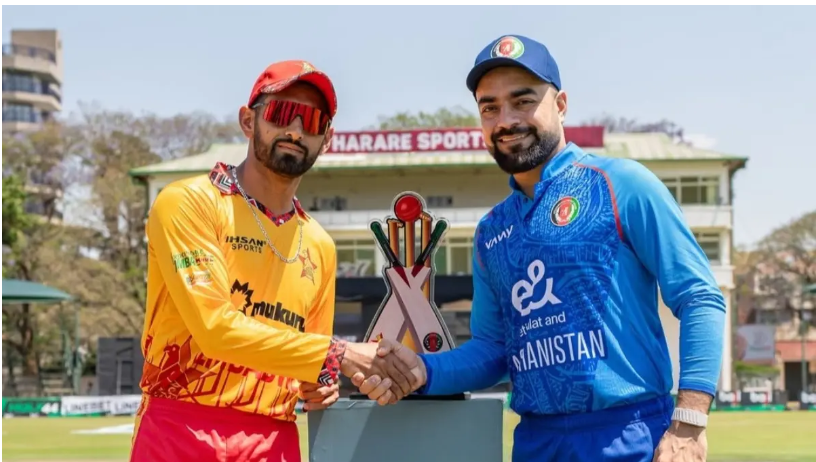
The rivalry between the Zimbabwe National Cricket Team and the Afghanistan National Cricket Team has grown into one of modern cricket’s most compelling contests. Spanning Tests, ODIs, and T20Is, it combines tactical brilliance, aggressive gameplay, and moments of individual heroism. From explosive centuries to last-over thrillers, each encounter tells a story of skill, pressure, and resilience. Fans on both sides bring intensity to the stands, while players leave everything on the field. This timeline chronicles their journey, highlighting key matches, scorecards, standout performers, and turning points that have shaped a rivalry defined by drama, strategy, and unforgettable cricketing moments.
Recent: Zimbabwe National Cricket Team vs Afghanistan National Cricket Team
| # | Date | Format | Venue | Result | Scores | Highlights & Fun Fact |
|---|---|---|---|---|---|---|
| 1 | Sep 25, 2025 | T20I (Asia Cup Super 4) | Dubai | PAK won by 11 runs | PAK 135/8 (20) BAN 124/9 (20) | Shaheen’s death-over magic defended low total in thriller—PAK edged closer to semis. |
| 2 | Jul 24, 2025 | T20I (3rd) | Dhaka | PAK won by 74 runs | PAK 178/7 (20) BAN 104 (16.4) | Rizwan’s blitz + Haris Rauf 4-fer crushed BAN—PAK stole series after early losses. |
| 3 | Jul 22, 2025 | T20I (2nd) | Dhaka | BAN won by 8 runs | BAN 133 (20) PAK 125 (19.2) | Taskin spin choke + Jaker Ali heroics defended low score—nail-biter! |
| 4 | Jul 20, 2025 | T20I (1st) | Dhaka | BAN won by 7 wkts | PAK 110 (20) BAN 112/3 (15.3) | Soumya Sarkar 48* + Taskin 3-fer—BAN chased easily, quickest vs PAK in T20Is. |
| 5 | May/Jun 2025 (3rd) | T20I | Lahore | PAK won by 7 wkts | BAN 196/6 (20) PAK 197/3 (17.2) | Haris 107* sealed whitewash chase—PAK dominant at home. |
| 6 | May/Jun 2025 (2nd) | T20I | Lahore | PAK won by 57 runs | PAK 201/6 (20) BAN 144 (19) | Explosive PAK batting overwhelmed BAN—big margin win. |
| 7 | May/Jun 2025 (1st) | T20I | Lahore | PAK won by 37 runs | PAK 201/7 (20) BAN 164 (19.2) | PAK set high total, BAN fell short—strong start to series. |
Top 5 Best Individual Performances Zimbabwe vs Afghanistan
| Rank | Player & Performance | Match & Date | Format & Result | Why It’s Epic |
|---|---|---|---|---|
| 1 | Mushfiqur Rahim – 191 (341 balls, 22×4) | 1st Test, Rawalpindi, Aug 21-25, 2024 | Test – Bangladesh won by 10 wickets | Mushfiqur’s marathon knock powered Bangladesh to 565, their highest total vs Pakistan, setting up a historic first Test win in Pakistan. Pure grit on a tough pitch—his highest Test score ever! |
| 2 | Mehidy Hasan Miraz – 5/43 & 77 (all-round) + Mushfiqur Rahim 55* (chase) | 2nd Test, Rawalpindi, Aug 30-Sep 3, 2024 | Test – Bangladesh won by 6 wickets | Mehidy’s spin mastery dismantled Pakistan twice, while Mushfiqur sealed the chase. This sealed Bangladesh’s first-ever Test series win over Pakistan—massive upset! |
| 3 | Mushfiqur Rahim – 191 & series heroics (combined with Mehidy) | Bangladesh tour of Pakistan Tests, 2024 | Test series – Bangladesh 2-0 | Not one innings, but Rahim’s 191 + consistent contributions made him the architect of the historic sweep. Bangladesh’s breakthrough moment against a giant! |
| 4 | Shaheen Afridi – 3/22 (fiery death overs) | Asia Cup Super 4, Dubai, Sep 25, 2025 | T20I – Pakistan won by 11 runs | Shaheen’s clutch bowling defended 135, dismantling Bangladesh’s middle order in a high-pressure thriller. One of his best Asia Cup spells—pure pace magic! |
| 5 | Taskin Ahmed – 3/24 (series hero) + Soumya Sarkar 48* | 1st T20I, Dhaka, Jul 20, 2025 | T20I – Bangladesh won by 7 wickets | Taskin’s early burst bundled Pakistan for 110, and Soumya’s unbeaten chase sealed a dominant win with balls to spare. Bangladesh’s quickest T20 chase vs Pakistan—fighting spirit on display! |
Head-to-Head Summary Table
| Format | Matches | PAK Wins | BAN Wins | Draw/No Result | PAK Win % | BAN Win % | Quick Notes |
|---|---|---|---|---|---|---|---|
| Test | 15 | 12 | 2 | 1 | 80% | 13% | BAN’s historic 2-0 sweep in Pakistan (2024) – first series win ever! |
| ODI | 39 | 34 | 5 | 0 | 87% | 13% | PAK dominant; BAN’s rare wins include 2015 home 3-0 series. |
| T20I | ~25-27 | ~20-21 | 6-7 | 0 | ~78-84% | ~22-28% | BAN won home series 2-1 (Jul 2025) + recent Asia Cup thriller; PAK bounced back with away whitewash. |
| Overall | ~79-81 | ~66-67 | 13-14 | 1-2 | ~83% | ~16-17% | PAK historically superior, but BAN rising fast since 2020s – exciting shift! |
Player Analysis Table
| Rank | Player (Team) | Role | Matches (approx) | Runs / Wickets | Avg / Best | Highlights & Impact |
|---|---|---|---|---|---|---|
| 1 | Mohammad Rizwan (PAK) | WK-Bat | ~19-20 | ~650+ runs | High | Top modern scorer vs BAN; consistent anchor in T20s/ODIs, big in recent series. |
| 2 | Tamim Iqbal (BAN) | Opener | ~30+ | ~700+ runs | ~40+ | BAN’s all-time leading scorer vs PAK; aggressive starts troubled PAK bowlers. |
| 3 | Mushfiqur Rahim (BAN) | WK-Bat | Many | High runs (incl. 191) | Solid | Clutch in Tests (191 in 2024 historic win); backbone of BAN’s rise. |
| 4 | Shakib Al Hasan (BAN) | All-round | ~30+ | ~600+ runs + High wkts | ~40 / Low | Ultimate rivalry player—top all-rounder with runs + spin wickets in all formats. |
| 5 | Litton Das (BAN) | Bat | ~20 | ~460+ runs | Good SR | Explosive in T20s vs PAK; key in recent upsets and high chases. |
| 6 | Mashrafe Mortaza (BAN) | Bowler | ~30+ | High wkts | Consistent | Veteran pace leader; key early wickets in ODIs/T20s. |
| 7 | Mustafizur Rahman (BAN) | Bowler | ~10+ (T20 focus) | High wkts | Excellent econ | “The Fizz” owns PAK in T20s with cutters; death specialist. |
| 8 | Shaheen Afridi (PAK) | Bowler | Recent | High wkts (e.g. 3/22) | Pace threat | Fiery spells in Asia Cup 2025; swing destroyer in big games. |
| 9 | Shahid Afridi (PAK) | All-round | Many | High wkts | Explosive | Legendary vs BAN; wickets + big hits in early rivalry. |
| 10 | Taskin Ahmed (BAN) | Bowler | ~20 | High wkts | Good | Recent star—key spells in 2025 T20 wins over PAK. |
Background and Build-Up to the Latest Clash
The Zimbabwe National Cricket Team vs Afghanistan National Cricket Team timeline has been a fascinating story of contrasting cricket journeys. Over the past few seasons, Afghanistan has often held the edge in white‑ball formats, claiming important T20I victories and series wins thanks to the star power of players like Rahmanullah Gurbaz and Ibrahim Zadran. In the 2025 T20I series in Harare, Afghanistan sealed the clean sweep with aggressive batting and sharp spin bowling, beating Zimbabwe in the final match by nine runs.
But Zimbabwe struck back in the longer format. In October 2025, Zimbabwe posted a commanding 359 after bowling Afghanistan out for low scores, secured by a dominant century from Ben Curran and a brilliant bowling display from Richard Ngarava, culminating in an innings‑and‑73‑run win.
The stage was set for the latest clash, shaped by contrasting momentum, rising talents, and a rivalry that continues to evolve with every meeting.
| Match / Series | Toss & Decision | Early Score | Result | Key Performer |
|---|---|---|---|---|
| 3rd T20I 2025 | Afghanistan won, bowled first | AFG 210/3 | AFG won by 9 runs | Rahmanullah Gurbaz 92 |
| Only Test 2025 | Zimbabwe won, batted first | ZIM 359 | ZIM won by inn & 73 runs | Ben Curran 147 |
| 2nd T20I 2025 | Zimbabwe lost toss, bowled | AFG 129/3 | AFG won by 7 wickets | Ibrahim Zadran 57 |
| 1st T20I 2024 | Zimbabwe won, batted first | ZIM 145/6 | ZIM won by 4 wickets | Tashinga Musekiwa 16* |
Toss, Strategy, and Early Match Dynamics
When Zimbabwe and Afghanistan faced off in their most recent encounters, the toss and early strategy often set the tone for how the match would unfold. In several limited overs clashes, Afghanistan’s bowlers struck early, forcing Zimbabwe into catch‑ups they struggled to recover from. In the 3rd T20I in Harare in November 2025, Afghanistan chased down Zimbabwe’s score with relative ease after defending a total of 210/3, capitalising on early momentum by their openers.
In contrast, when Zimbabwe won the toss in the only Test match of 2025 at Harare, they chose to bat first, piling up a huge 359, painstakingly building partnerships before asking Afghanistan to chase on a deteriorating pitch.
Strategically, Afghanistan’s aggression up front with their spinners and seamers has made early overs dangerous for Zimbabwe’s batters, while Zimbabwe’s early innings plans in longer formats have revolved around patience and building score pressure on Afghanistan’s bowling attack.
| Match / Series | Toss & Decision | Early Score | Result | Key Performer |
|---|---|---|---|---|
| 3rd T20I 2025 | Afghanistan won, bowled first | AFG 210/3 | AFG won by 9 runs | Rahmanullah Gurbaz 92 |
| Only Test 2025 | Zimbabwe won, batted first | ZIM 359 | ZIM won by inn & 73 runs | Ben Curran 147 |
| 2nd T20I 2025 | Zimbabwe lost toss, bowled | AFG 129/3 | AFG won by 7 wickets | Ibrahim Zadran 57 |
| 1st T20I 2024 | Zimbabwe won, batted first | ZIM 145/6 | ZIM won by 4 wickets | Tashinga Musekiwa 16* |
Middle Overs: Pressure, Partnerships, and Turning Points
Once the initial burst of excitement from the toss and opening overs settled, most Zimbabwe vs Afghanistan matches have hinged on the middle overs. That stretch between overs 6 and 15 in T20s or middle sessions in longer formats can flip momentum in a heartbeat. In the 1st T20I of the 2025 tour, Afghanistan’s middle order took charge after a brisk start, with Ibrahim Zadran anchoring a controlled innings and Mujeeb Ur Rahman striking in the middle overs to restrict Zimbabwe’s chase. Their 180/6 gave Afghanistan breathing room, turning the game in their favour.
Conversely, Zimbabwe have fought back through calm partnerships in middle overs, like the crucial stand between Brian Bennett and Dion Myers in 2024 that steadied Zimbabwe’s chase before the finishers took over.
In ODIs and multi‑day matches, Afghanistan’s seasoned batsmen often built big middle‑session totals, forcing Zimbabwe to either take risks or settle defensively. In contrast, Zimbabwe’s middle overs in Tests showcased resilience with partnerships that blunted Afghanistan’s attack before the game swung again.
In short, the middle overs are where strategy, temperament, and pressure intersect, routinely shaping the outcome of this escalating rivalry.
| Match / Series | Middle Overs | Turnaround / Impact | Result | Key Performer |
|---|---|---|---|---|
| 1st T20I 2025 | Overs 6–15 | Controlled innings after start | Afghan won by 53 runs | Ibrahim Zadran 52 |
| 2nd T20I 2025 | Middle phase | Chase build up after early Powerplay | Afghan won by 7 wickets | Rashid Khan (bowling) |
| 3rd T20I 2024 | Middle overs | Tight bowling and spin control | Afghan won by 3 wickets | Azmatullah Omarzai 34 |
| 3rd ODI 2024 | Middle overs | Afghanistan consolidated after early loss | Afghan won by 8 wickets | Rahmat Shah & Ipswich |
Final Overs Drama and Match Deciders
In the Zimbabwe National Cricket Team vs Afghanistan National Cricket Team timeline, some of the most unforgettable moments have come in the final overs, where pressure spikes, and one ball can change everything. In the 3rd T20I of December 2024, Afghanistan clinched victory by three wickets with just three balls remaining in a tense chase of 128, thanks to calm hitting by Azmatullah Omarzai under pressure.
Similarly, in the 3rd ODI of the 2024‑25 tour, Afghanistan chased 127 in just 26.5 overs, easing past Zimbabwe with experienced batsmen like Sediqullah Atal steering the chase.
But for Zimbabwe, the drama came earlier that tour in the 1st T20I, where they snatched a last‑ball win, with Tashinga Musekiwa guiding them home in a nerve‑shredding finish.
These final overs not only tested nerves but highlighted the teams’ ability to either defend under pressure or chase with precision, shaping this rivalry with last‑over thrillers.
| Match / Season | Final Score | Match Result | Key Finisher | Deciding Moment |
|---|---|---|---|---|
| 3rd T20I 2024/25 | ZIM 127 vs AFG 128/7 | AFG won by 3 wkts | Azmatullah Omarzai 34 | AFG sealed win in last overs |
| 1st T20I 2024/25 | ZIM 145/6 vs AFG 144/6 | ZIM won by 4 wkts | Tashinga Musekiwa 16* | Last ball chase finish |
| 3rd ODI 2024/25 | ZIM 127 vs AFG 131/2 | AFG won by 8 wkts | Sediqullah Atal 52 | Smooth chase under pressure |
| 3rd T20I 2025 | ZIM 201 vs AFG 210/3 | AFG won by 9 runs | Rahmanullah Gurbaz 92 | Strong finish batting first |
Scorecard Highlights and Player Stats
The Zimbabwe vs Afghanistan rivalry has consistently produced spectacular individual performances and match-defining stats. In the latest T20I series, Afghanistan’s openers dominated the scorecards, with Rahmanullah Gurbaz smashing 92 in the 3rd T20I, setting the tone for a tense but successful chase. Mujeeb Ur Rahman consistently applied pressure with economical spin bowling, keeping Zimbabwe’s middle order in check.
On the Zimbabwean side, Ben Curran stood out during the only Test of 2025, crafting a majestic 147 that anchored a mammoth 359 total. Richard Ngarava’s incisive bowling restricted Afghanistan’s batting line-up, earning him key wickets. Across T20Is and ODIs, players like Ibrahim Zadran and Tashinga Musekiwa showcased versatility, contributing both with the bat and in the field. These scorecard highlights emphasize not just runs and wickets, but partnerships, strike rates, and pressure performances that define the rivalry’s character.
| Match / Season | Score | Result | Top Performer | Other Key Stats |
|---|---|---|---|---|
| 3rd T20I 2025 | ZIM 201 vs AFG 210/3 | AFG won by 9 runs | Rahmanullah Gurbaz 92 | Mujeeb Ur Rahman 2/20 |
| Only Test 2025 | ZIM 359 vs AFG 127 & 159 | ZIM won by innings & 73 runs | Ben Curran 147 | Richard Ngarava 5/58 |
| 1st T20I 2025 | ZIM 127 vs AFG 180/6 | AFG won by 53 runs | Ibrahim Zadran 52 | ZIM 6 wickets lost |
| 1st T20I 2024 | ZIM 145/6 vs AFG 144/6 | ZIM won by 4 wickets | Tashinga Musekiwa 16* | Last-ball finish |
Post-Match Analysis and Tactical Insights
The latest Zimbabwe vs Afghanistan encounters have highlighted shifts in strategy and tactical awareness. Afghanistan’s strength lies in its aggressive top order and spin-heavy middle overs, which consistently put Zimbabwe under pressure. In the 3rd T20I 2025, Rahmanullah Gurbaz’s explosive 92 and Mujeeb Ur Rahman’s tight bowling dictated the pace, showing how early momentum and middle-over control can decide matches. Zimbabwe’s approach in Tests, exemplified by Ben Curran’s 147 in the 2025 Test, focused on building partnerships and exploiting pitch conditions. Captains from both sides have demonstrated adaptability, rotating bowlers, and recalibrating batting orders to counter threats. These tactical insights suggest that the rivalry is evolving beyond individual brilliance to strategy-driven, high-pressure encounters, with small decisions often swinging the outcome.
| Match / Season | Score | Result | Key Performer | Tactical Highlight |
|---|---|---|---|---|
| 3rd T20I 2025 | ZIM 201 vs AFG 210/3 | AFG won by 9 runs | Rahmanullah Gurbaz 92 | Aggressive top order set pace |
| Only Test 2025 | ZIM 359 vs AFG 127 & 159 | ZIM won by innings & 73 runs | Ben Curran 147 | Patience & partnership strategy |
| 1st T20I 2025 | ZIM 127 vs AFG 180/6 | AFG won by 53 runs | Ibrahim Zadran 52 | Middle overs spin dominance |
| 1st T20I 2024 | ZIM 145/6 vs AFG 144/6 | ZIM won by 4 wickets | Tashinga Musekiwa 16* | Last-ball tactical finish |
Legacy and Future of the Rivalry
The Zimbabwe vs Afghanistan rivalry has matured into a fascinating contest blending experience and emerging talent. From early encounters to the latest T20I and Test matches, both sides have showcased remarkable individual brilliance and strategic acumen. Afghanistan’s dominance in white-ball formats, led by players like Rahmanullah Gurbaz and Ibrahim Zadran, has forced Zimbabwe to adapt and elevate their game, producing memorable innings from Ben Curran and last-over heroes like Tashinga Musekiwa.
Looking forward, the rivalry promises to grow more competitive. Zimbabwe’s younger players are learning to handle high-pressure situations, while Afghanistan continues to refine their tactical approaches, particularly in spin and powerplay management. Record-breaking innings, tight finishes, and evolving strategies have cemented this rivalry as a fan-favorite spectacle, blending skill, tension, and emotion. Future series are likely to produce more thrilling finishes, career-defining performances, and tactical battles, solidifying the legacy and anticipation surrounding every Zimbabwe vs Afghanistan clash.
| Match / Season | Score | Result | Key Performer | Legacy / Future Insight |
|---|---|---|---|---|
| 3rd T20I 2025 | ZIM 201 vs AFG 210/3 | AFG won by 9 runs | Rahmanullah Gurbaz 92 | Shows AFG’s white-ball edge |
| Only Test 2025 | ZIM 359 vs AFG 127 & 159 | ZIM won by innings & 73 runs | Ben Curran 147 | Highlights ZIM’s resilience in Tests |
| 1st T20I 2025 | ZIM 127 vs AFG 180/6 | AFG won by 53 runs | Ibrahim Zadran 52 | Middle overs crucial in modern T20 |
| 1st T20I 2024 | ZIM 145/6 vs AFG 144/6 | ZIM won by 4 wickets | Tashinga Musekiwa 16* | Last-ball finishes add to rivalry drama |
Conclusion
The Zimbabwe vs Afghanistan rivalry continues to evolve, blending history, strategy, and emerging talent. Afghanistan’s dominance in limited-overs cricket has pushed Zimbabwe to adapt, creating thrilling contests that test skill, patience, and nerves. Key performances, such as Rahmanullah Gurbaz’s explosive innings and Ben Curran’s match-saving centuries, have defined this rivalry. From middle-over battles to final-over dramas, each game adds a new chapter to their shared legacy. Looking ahead, rising stars and strategic innovations promise even more competitive clashes. This rivalry not only excites fans but also showcases cricket as a blend of tactics, talent, and heart-stopping moments.
FAQs
When did Zimbabwe and Afghanistan first play against each other?
Their first official match occurred in T20Is and ODIs during early tours in the 2010s, establishing the foundation of the rivalry.
Who are the standout players in this rivalry?
Key performers include Rahmanullah Gurbaz and Ibrahim Zadran for Afghanistan, and Ben Curran and Tashinga Musekiwa for Zimbabwe.
Which team has historically dominated?
Afghanistan has been stronger in T20s and ODIs, while Zimbabwe has showcased resilience in Tests and select limited-overs matches.
What are the most memorable matches?
The 2025 Test where Zimbabwe won by an innings and the tight T20I finishes in 2024–25 are particularly iconic.
What makes this rivalry special?
It combines strategic depth, explosive individual performances, intense fan involvement, and dramatic finishes, making every encounter unpredictable and exciting.