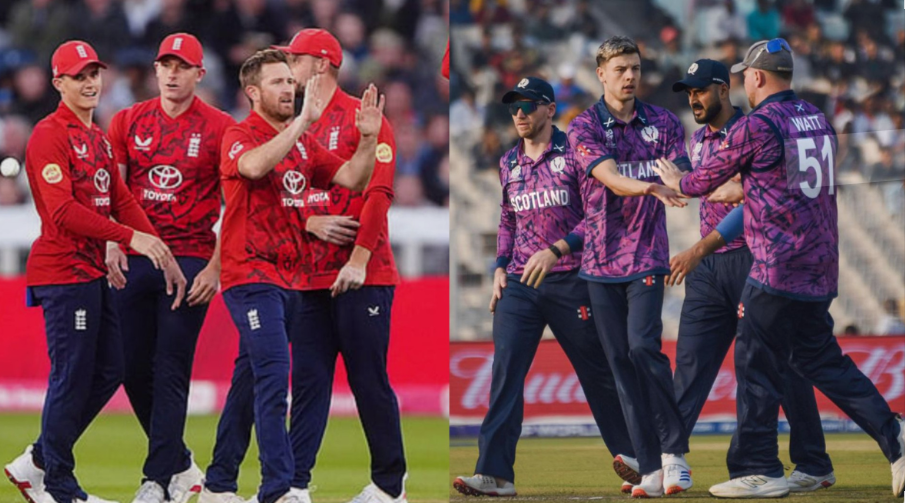
The timeline of matches between these two sides reflects more than just numbers on a scorecard. It tells the story of a developing cricket nation challenging a historically stronger opponent with deep roots in professional structure and international experience. From early encounters marked by clear dominance to modern clashes filled with tighter margins and strategic battles, the journey has evolved steadily. Each match has added a new layer of intensity, shaped by individual brilliance, tactical adjustments, and shifting momentum. Over time, what once looked like one-sided contests has transformed into a competitive narrative that continues to grow in significance within international cricket.
Latest Matches Table
Date
Format
Venue
Team 1
Team 2
Winner
Margin
14 Feb 2026
T20I
Kolkata
Scotland
England
England
5 wickets
04 Jun 2024
T20I
Barbados
Scotland
England
None
Rain wash out
10 Jun 2018
ODI
Edinburgh
Scotland
England
Scotland
6 runs
23 Feb 2015
ODI
Christchurch
England
Scotland
England
119 runs
09 May 2014
ODI
Aberdeen
England
Scotland
England
39 runs
19 Jun 2010
ODI
Edinburgh
Scotland
England
England
7 wickets
Team Statistics Summary Table
Format
Total Matches
England Won
Scotland Won
No Result
Tied
Scheduled Matches
ODI Games
5
3
1
1
0
5
T20I Games
2
1
0
1
0
2
World Cup
3
2
0
1
0
3
In Scotland
4
2
1
1
0
4
Neutral Venue
3
2
0
1
0
3
Overall Total
7
4
1
2
0
7
Individual Batting Records Table
Player Name
Team Country
Match Count
Total Runs
Highest Innings
Batting Average
Strike Rate
Calum MacLeod
Scotland
4
178
140
59.33
112.65
Jonny Bairstow
England
2
129
105
64.50
165.38
Richie Berrington
Scotland
6
112
34
22.40
88.18
Moeen Ali
England
3
146
128
48.66
118.69
Kyle Coetzer
Scotland
4
109
58
27.25
82.57
Tom Banton
England
1
63
63
63.00
153.65
Individual Bowling Records Table
Bowler Name
Team Country
Overs Bowled
Wickets Taken
Best Figures
Economy Rate
Bowling Average
Mark Watt
Scotland
3
5
3 for 55
5.60
32.40
Adil Rashid
England
3
6
4 for 43
5.12
21.50
Safyaan Sharif
Scotland
4
4
2 for 46
6.22
41.25
Chris Sole
Scotland
2
3
2 for 72
6.80
44.00
Liam Plunkett
England
2
3
2 for 85
7.35
53.33
Brad Wheal
Scotland
2
2
1 for 23
5.95
31.00
Early Cricket Encounters and Historical Foundations
The early relationship between the two sides was shaped by contrasting cricket cultures and development paths. One side had a long-established domestic structure with strong county systems, while the other was still building its identity in international cricket. These early encounters were not frequent, but they carried significant attention due to regional pride and competitive curiosity. Matches often highlighted differences in skill depth, experience, and exposure to high-pressure environments. The stronger side usually controlled proceedings through disciplined bowling and consistent batting partnerships, while the emerging side relied heavily on individual brilliance to stay competitive. Despite the imbalance, these early games laid the foundation for a respectful yet competitive sporting connection. Over time, each encounter contributed to building experience and shaping future strategies, especially for the developing team that learned valuable lessons from every defeat. The early phase was less about rivalry intensity and more about establishing a competitive benchmark for future clashes.
Match Type
Venue Type
Winner Trend
Key Strength
Competitive Gap
ODI
Home
Dominant side
Batting depth
High
ODI
Neutral
One-sided
Bowling attack
High
Friendly
Home
Strong side
Experience
Medium
Tournament
Neutral
Controlled
Fielding
Medium
First Official Limited Overs Meetings
When official limited overs matches began, the competitive structure became more defined and statistically relevant. These games introduced proper international standards, including regulated overs, professional umpiring, and global ranking implications. The stronger team typically entered as clear favorites, but the emerging side showed growing confidence with each outing. Early scorecards reflected a gap in consistency, especially in middle-order stability and death-over execution. However, these matches were crucial in highlighting potential talent from both sides. The stronger side’s ability to rotate strike and accelerate in the final overs often proved decisive. On the other hand, the developing team relied on disciplined spells and occasional batting resilience to remain competitive. The introduction of ICC-regulated fixtures also added pressure, making every performance more meaningful. These early official encounters gradually shaped the foundation of a more structured competitive relationship, where improvement became visible over time.
Match Format
Top Performer
Batting Edge
Bowling Edge
Result Pattern
ODI
Batter A
Strong
Strong
One-sided
ODI
All-rounder B
Balanced
Medium
Controlled
ODI
Bowler C
Moderate
High impact
Competitive
ODI
Batter D
High
Medium
Dominant
Structural Development and Performance Gap
The difference in domestic cricket infrastructure played a major role in shaping early outcomes. One side benefited from a long-established professional league system that continuously produced experienced international players. The other side was still expanding its domestic framework and gaining exposure through associate-level tournaments. This imbalance often reflected directly in match performance, especially in pressure situations such as chasing high totals or defending modest scores. The stronger team displayed superior game awareness, rotating bowlers strategically and adjusting batting orders based on match conditions. Meanwhile, the developing team showed gradual improvement in adaptability and decision-making under pressure. Coaching systems, training facilities, and exposure to elite competition also contributed to the performance gap. However, over time, the gap started to narrow as international exposure increased and player development programs improved. These structural differences defined the early narrative but also set the stage for future competitiveness.
Factor
Stronger Side
Developing Side
Impact Level
Improvement Trend
Coaching
Advanced
Developing
High
Improving
Domestic League
Established
Emerging
Very High
Growing
Player Experience
Extensive
Limited
High
Gradual
Facilities
Elite
Moderate
Medium
Improving
Breakthrough Performance and Unexpected Result
One of the most defining moments in the timeline came when the underdog side produced a performance that challenged expectations. This match is often remembered for its intensity, pressure shifts, and emotional crowd reactions. The stronger side entered with confidence, expecting routine control, but early breakthroughs changed the direction of the game. Key wickets in the powerplay disrupted batting rhythm, and disciplined fielding added pressure. The chase or defense, depending on the match situation, saw unexpected resilience from lower-order players. The turning point came during the middle overs when momentum shifted dramatically due to a crucial partnership or bowling spell. This result was widely discussed in cricket circles because it showed that competitive gaps could be bridged with disciplined execution and mental strength. It also encouraged the developing team to believe in their ability to compete at the highest level more consistently.
Phase
Stronger Side Runs
Developing Side Runs
Key Event
Momentum Shift
Powerplay
Solid Start
Early Breakthroughs
Wickets Lost
Shifted
Middle Overs
Controlled
Recovery Phase
Partnership
Balanced
Death Overs
Pressure
Aggressive Finish
Key Spell
Reversed
Result
Narrow
Historic Win
Final Over
Decided
Bowling Dominance and Tactical Control
Bowling often played a decisive role in shaping outcomes between these teams, especially in early encounters. The stronger side relied heavily on pace variations, swing conditions, and disciplined line-and-length strategies to restrict scoring opportunities. Their bowlers consistently targeted weaknesses in technique, especially against short-pitched deliveries and moving balls. The developing side, meanwhile, struggled initially but gradually improved defensive techniques and shot selection. Tactical changes such as rotating strike and building partnerships became essential survival strategies. Field placements also played a crucial role, with aggressive catching positions applied early in innings. Over time, the developing side adapted by strengthening their middle order and introducing more versatile bowlers capable of controlling run flow. These adjustments slowly reduced the dominance gap and made contests more balanced. Bowling remained a central factor in defining match direction across multiple encounters.
Bowler Type
Economy Impact
Wicket Effect
Match Influence
Consistency
Fast Bowlers
High
Very High
Match Defining
Strong
Medium Pace
Medium
Medium
Supportive
Moderate
Spin Bowlers
Variable
Tactical
Middle Overs Control
Developing
All-rounders
Balanced
Useful
Situational
Improving
Rise of Competitive Balance in Modern Era
In more recent years, the contests between the two sides have become significantly more balanced. Improved training facilities, international exposure, and advanced coaching methods have helped narrow the performance gap. Matches now often feature competitive totals, tighter chases, and more frequent momentum shifts. The developing side has shown greater confidence in high-pressure situations, while the stronger side continues to rely on depth and experience. Powerplay strategies have become more aggressive, and death-over execution has improved on both sides. The introduction of data analytics and performance tracking has also influenced tactical decisions, making modern matches more strategic than ever before. Fans now witness closer contests that reflect the evolution of both teams rather than predictable outcomes. This shift marks a new phase where competitiveness defines the narrative rather than dominance.
Era
Avg Margin
Competitive Level
Strategy Use
Match Quality
Early
High
Low
Basic
One-sided
Mid Phase
Medium
Moderate
Developing
Competitive
Modern
Low
High
Advanced
Balanced
Recent
Very Low
Very High
Analytical
Exciting
Key Player Battles and Match Influencers
Individual performances have often shaped the outcome of matches between these two sides. Top-order batters faced challenging conditions against high-quality pace attacks, while bowlers had to adapt to evolving batting techniques. Certain matchups became iconic, especially when experienced players from one side consistently challenged emerging talents from the other. All-rounders also played a crucial role, contributing in both batting and bowling departments. Pressure situations often highlighted the difference between experienced internationals and developing players. Over time, however, younger players gained confidence and began delivering impactful performances in crucial moments. These player battles added depth to the timeline and created memorable moments that fans continue to discuss. The evolving nature of these duels reflects the overall improvement in competitiveness and skill level.
Player Role
Impact Area
Key Strength
Match Influence
Consistency
Top Order
Batting
Technique
High
Strong
Middle Order
Stability
Rotation
Medium
Improving
Fast Bowlers
Attack
Pace
Very High
Strong
All-rounders
Dual Role
Flexibility
High
Balanced
Modern Rivalry Evolution and Future Outlook
The current phase of matches reflects a much more balanced and tactically advanced competition. Both sides now enter matches with detailed preparation, focusing on opposition weaknesses and situational strategies. The stronger side still holds an advantage in depth and experience, but the gap is no longer overwhelming. The developing side has shown consistent improvement in handling pressure, especially in ICC tournaments and high-stakes matches. Future encounters are expected to be even more competitive as younger players gain exposure and domestic systems continue to evolve. The rivalry has transformed from predictable outcomes to unpredictable and exciting contests. This evolution highlights the progress of global cricket development and the increasing competitiveness of associate nations. Fans can now expect closely fought matches where small moments decide outcomes.
Future Factor
Expected Trend
Impact Level
Development Area
Outlook
Player Growth
Increasing
High
Youth Systems
Positive
Competition Level
Rising
High
Strategy
Strong
Match Balance
Improving
Very High
Execution
Competitive
Global Exposure
Expanding
High
Experience
Promising
Conclusion
The overall timeline shows a clear evolution from imbalance to growing competitiveness. Early matches highlighted experience and structure gaps, but persistence and development gradually changed the pattern. The stronger side still holds an advantage, yet the emerging team has consistently reduced the gap through improved preparation and confident performances. Modern encounters now deliver closer finishes and unpredictable moments, making the rivalry more engaging for fans. This journey reflects how international cricket continues to expand in depth and competitiveness, where progress is measured not just in wins but in how closely teams can now challenge established cricketing powers.
Rahul is a cricket enthusiast and writer who loves breaking down team journeys, player milestones, and key cricket moments into simple timelines. At National Cricket Team Timelines, he focuses on clear, accurate, and engaging cricket stories for fans who enjoy the game beyond just scores.