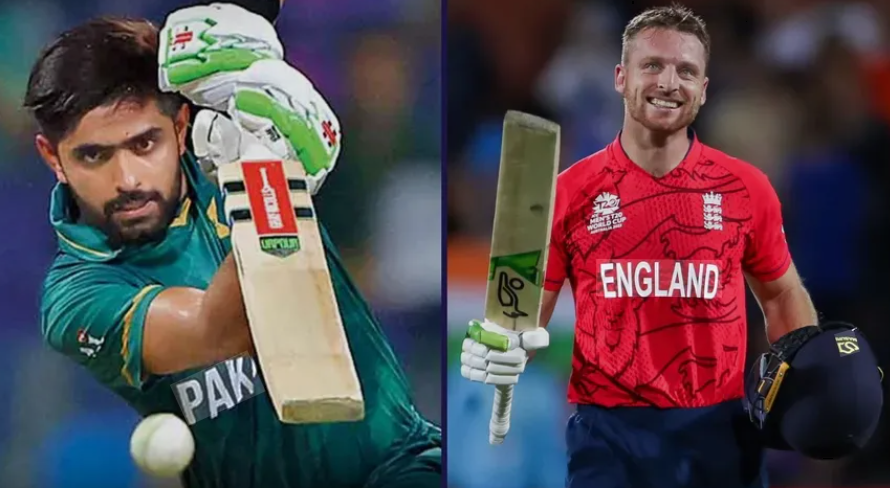
The long-standing cricket rivalry between these two sides has developed into one of the most intriguing contests in international cricket history. From early Test battles to modern limited-overs clashes, every encounter has carried intensity, pressure, and moments of brilliance. The journey reflects contrasting cricketing cultures, where discipline meets unpredictability and strategy meets raw talent. Over decades, matches have produced unforgettable performances, dramatic collapses, and match-winning spells that shaped the narrative of world cricket. Fans from both nations have witnessed emotional highs and heartbreaking lows, making this rivalry a symbol of competitive spirit, evolving tactics, and timeless sporting drama across formats and generations.
Latest Matches Table
Match
Date
Format
Venue
Winner
Margin
Player of Match
1st Test
07 Oct 2024
Test
Multan
England
Innings and 47 runs
Harry Brook
2nd Test
15 Oct 2024
Test
Multan
Pakistan
152 runs
Sajid Khan
3rd Test
24 Oct 2024
Test
Rawalpindi
Pakistan
9 wickets
Sajid Khan
Super 8s
23 Feb 2026
T20I
Pallekele
England
2 wickets
Harry Brook
Team Statistics Summary Table
Metric
England Test
Pakistan Test
England ODI
Pakistan ODI
England T20I
Pakistan T20I
Highest Total
823/7d
708
444/3
358/9
241/3
232/6
Lowest Total
130
74
86
74
135
89
Most Wins Home
26
14
33
20
11
5
Most Wins Away
3
9
19
11
9
4
Win Percentage
31.5%
25.0%
60.8%
34.7%
67.7%
29.0%
Individual Batting Records Table
Player
Team
Matches
Innings
Runs
Highest Score
Average
Alastair Cook
England
20
38
1719
263
49.11
Javed Miandad
Pakistan
17
29
1341
260
51.57
Inzamam-ul-Haq
Pakistan
16
28
1293
148
51.72
Joe Root
England
19
33
1421
262
47.36
David Gower
England
14
23
1185
154
56.42
Salim Malik
Pakistan
15
24
1115
165
48.47
Individual Bowling Records Table
Player
Team
Matches
Innings
Wickets
Best Bowling
Average
James Anderson
England
20
38
84
5/54
23.12
Abdul Qadir
Pakistan
16
26
82
9/56
24.98
Stuart Broad
England
16
31
60
6/17
26.85
Imran Khan
Pakistan
15
24
58
7/40
25.33
Derek Underwood
England
12
21
54
5/28
19.07
Wasim Akram
Pakistan
12
19
50
6/67
25.44
Early Foundations of the Rivalry
The early phase of this cricket rivalry was built on contrast in style, temperament, and adaptation to conditions. England entered with a structured and disciplined approach, relying heavily on technique and traditional batting methods. Pakistan, on the other hand, brought unpredictability, natural flair, and a fast bowling attack that quickly earned respect in international cricket. In the first meetings, England often controlled long sessions, but Pakistan responded with bursts of brilliance that changed momentum in a single spell or innings. These matches were not just about runs and wickets, but about identity formation for both sides in world cricket. England learned the challenge of subcontinental adaptability, while Pakistan discovered the value of consistency against high-pressure European conditions. Over time, these early encounters laid the emotional and tactical foundation of a rivalry that would grow stronger with each passing decade, shaped by shifting eras, changing squads, and evolving strategies on both sides.
England approach
Pakistan style
Key strength
Early impact
Technical batting
Aggressive pace bowling
Discipline vs unpredictability
Balanced early contests
Slow buildup play
Fast scoring bursts
Control vs momentum
Momentum swings
Home advantage reliance
Away adaptability growth
Conditions mastery
Learning phase
Structured fielding
Natural athleticism
Precision vs instinct
Competitive intensity
Pakistan’s Breakthrough Moments
Pakistan’s breakthrough against England came through defining performances that changed perception in international cricket. Their fast bowlers became the centerpiece of success, often exploiting movement and reverse swing in conditions that suited their aggressive approach. England’s batting lineups, which were comfortable against pace in home conditions, suddenly found themselves under sustained pressure. These breakthrough victories were not only statistical wins but psychological milestones that strengthened Pakistan’s belief in competing against top-tier opposition. Matches often turned on single spells of bowling or unexpected batting partnerships from the middle order. England, meanwhile, had to rethink their preparation and adaptability when facing unpredictable bowling attacks. The rivalry gained depth as Pakistan proved they could dominate even in challenging away tours, forcing England to reassess strategies. This phase established Pakistan as a serious threat in world cricket and turned the rivalry into a competitive, emotionally charged contest rather than a one-sided affair.
Bowling impact
Batting response
Match influence
Turning factor
Reverse swing mastery
Defensive English starts
Pressure creation
Early wickets
Pace attack dominance
Middle-order resistance
Momentum shifts
Key partnerships
Aggressive field setup
Cautious shot selection
Scoring slowdown
Dot ball pressure
Spell-based control
Collapse recovery attempts
Match balance
Breakthrough overs
England’s Tactical Evolution
England’s tactical evolution in response to this rivalry was driven by necessity and experience. Early struggles against unfamiliar bowling styles forced England to modernize their preparation methods, especially for overseas tours. Batters began working on playing late, improving footwork against swing, and developing patience in difficult conditions. The team also focused more on data-driven analysis and opposition study, which gradually improved performance consistency. England’s bowling attack adapted by introducing variation in pace, reverse swing techniques, and more aggressive field placements. These changes were not immediate but developed through repeated exposure to challenging matches. The rivalry played a key role in pushing England toward a more flexible and dynamic cricketing approach. Over time, this adaptation helped England become more competitive in both home and away conditions, turning earlier weaknesses into structured strengths that influenced future generations of players.
Tactical shift
Training focus
Match outcome
Improvement area
Late batting technique
Footwork drills
Better survival
Spin handling
Data analysis use
Opposition study
Strategic planning
Decision making
Bowling variation
Reverse swing practice
Wicket creation
Death overs
Field aggression
Pressure tactics
Run restriction
Middle overs
Iconic Test Encounters
Test matches between these two sides produced some of the most intense and strategic battles in cricket history. Long innings, patient partnerships, and dramatic bowling spells defined these encounters. England often relied on endurance and structured batting, while Pakistan used pace variation and spin control to break partnerships. Several matches went deep into the final day, with results uncertain until the last session. The emotional intensity was high, with players pushing physical and mental limits. Crowd energy also played a significant role, especially in venues where home support influenced momentum shifts. These Tests were not just statistical contests but storytelling events where every session carried importance. Many players built reputations during these matches, and careers were shaped by performances under pressure. The rivalry reached a classical cricketing standard in this format, emphasizing technique, patience, and tactical discipline above all else.
Match type
Key skill
Decisive factor
Result trend
Five-day Tests
Patience
Long partnerships
Balanced outcomes
Spin battles
Control
Pitch deterioration
Late swings
Pace spells
Accuracy
Reverse movement
Wicket clusters
Final day play
Mental strength
Pressure handling
Close finishes
ODI Transformation Era
The shift into ODI cricket changed the rhythm of this rivalry completely. Matches became faster, more strategic, and heavily dependent on scoring rates and field restrictions. England initially struggled to balance aggression with consistency, while Pakistan adapted quickly through strong bowling and middle-order stability. The introduction of powerplays created new tactical dimensions, forcing both sides to rethink batting and bowling approaches. Matches often swung within a few overs, especially during death overs where execution became critical. This era also saw rising importance of all-rounders who could influence multiple phases of the game. The ODI format brought unpredictability and entertainment, making the rivalry more global in appeal. Every encounter carried tournament implications, especially in ICC events, where pressure amplified performance gaps. Over time, both teams evolved into more balanced ODI units, capable of adapting to high-pressure scenarios with greater tactical awareness.
ODI phase
Key factor
Strategy shift
Outcome impact
Powerplay overs
Fast scoring
Aggressive starts
Early advantage
Middle overs
Control play
Rotation focus
Stability
Death overs
Execution
Yorker strategy
Final total shift
Field restrictions
Shot selection
Tactical batting
Momentum control
Bowling Dominance Episodes
Bowling performances often defined the turning points of this rivalry. Pakistan’s fast bowlers repeatedly delivered match-winning spells that dismantled batting lineups with swing and seam movement. England’s bowlers responded with disciplined lines and lengths, especially in home conditions where movement was more predictable. These bowling battles created low-scoring thrillers and dramatic collapses that kept matches unpredictable until the end. Reverse swing became a key weapon in several encounters, changing the way both teams approached late innings. Spinners also played crucial roles in slowing down scoring and building pressure. Many matches were decided not by batting brilliance but by bowling spells that shifted momentum in a matter of overs. This phase of the rivalry highlighted the importance of discipline, variation, and mental toughness in high-level cricket competition.
Bowling style
Key weapon
Effect
Match influence
Fast swing
Movement
Early wickets
Top-order collapse
Reverse swing
Old ball control
Late breakthroughs
Match turn
Spin control
Variation
Run restriction
Middle pressure
Mixed attack
Coordination
Balanced pressure
Full innings control
Modern Era Competition
The modern phase of this rivalry reflects a more balanced and data-driven approach to cricket. Both teams now rely heavily on analytics, player workload management, and situational strategies. England has developed a more aggressive batting identity, while Pakistan continues to focus on pace strength and emerging batting talent. Matches in this era are often high scoring, with quick run rates and innovative shot-making. Fitness standards and fielding quality have also improved significantly, making contests more competitive across all formats. ICC tournaments remain the biggest stage where this rivalry gains global attention, often producing high-pressure encounters. The unpredictability of outcomes continues to define the relationship between the two sides, ensuring that every match carries significance beyond just points or series results.
Modern factor
Team focus
Match style
Key result
Data analytics
Strategy planning
Tactical play
Improved decisions
Power hitting
Batting aggression
High scoring
Fast matches
Fitness levels
Fielding quality
Faster pace
Reduced errors
Squad depth
Rotation policy
Balanced team
Consistency
Legacy and Global Impact
The legacy of this cricket rivalry extends beyond wins and losses. It represents the evolution of two cricketing cultures that have influenced the global game in different ways. England contributed structure, innovation, and modern limited-overs transformation, while Pakistan brought unpredictability, fast bowling artistry, and natural flair. Their encounters have inspired generations of players and fans, shaping how modern cricket is played and appreciated. The rivalry has also played a key role in expanding cricket’s global audience, especially during ICC events where matches attract worldwide attention. Emotional intensity, dramatic finishes, and iconic performances have ensured that this contest remains relevant across eras. Even as teams evolve, the historical weight of their encounters continues to influence expectations and narratives whenever they meet on the field.
Legacy aspect
Contribution
Impact
Global influence
Playing style
Innovation vs flair
Balanced evolution
Modern cricket growth
Fan culture
Passionate support
Emotional intensity
Global engagement
Tactical growth
Strategy evolution
Smarter cricket
Analytical development
Historic matches
Iconic moments
Long-term memory
Cricket storytelling
Conclusion
This rivalry continues to stand as a powerful example of how cricket evolves while retaining its emotional core. Each era has added new dimensions, from classic Test duels to fast-paced modern encounters filled with innovation and pressure moments. Both teams have pushed each other to improve, adapt, and redefine strategies in different conditions around the world. The legacy is not only built on scorecards but also on unforgettable performances and shifting momentum that kept fans engaged for decades. As the game moves forward, this rivalry remains a benchmark of competitive excellence, passion, and enduring cricketing history across formats and generations.
Rahul is a cricket enthusiast and writer who loves breaking down team journeys, player milestones, and key cricket moments into simple timelines. At National Cricket Team Timelines, he focuses on clear, accurate, and engaging cricket stories for fans who enjoy the game beyond just scores.